Ensure Lasting Freshness by Neutralizing Pet Odors: A Comprehensive Guide
Living with pets enriches our lives in countless ways. However, one challenge every pet owner faces is maintaining a fresh, odor-free environment. Unpleasant pet smells can linger in your home, making it difficult to create a welcoming atmosphere for family and guests. But don't worry - you can ensure lasting freshness by neutralizing pet odors using the right strategies!
Understanding the Science Behind Pet Odors
Before diving into effective solutions, let's explore why pet odors occur and why they can persist even with regular cleaning.
Common Sources of Pet Odors
- Urine: Cat and dog urine contains ammonia and bacteria that create a pungent smell. If not cleaned immediately, it can seep into fabrics and floors.
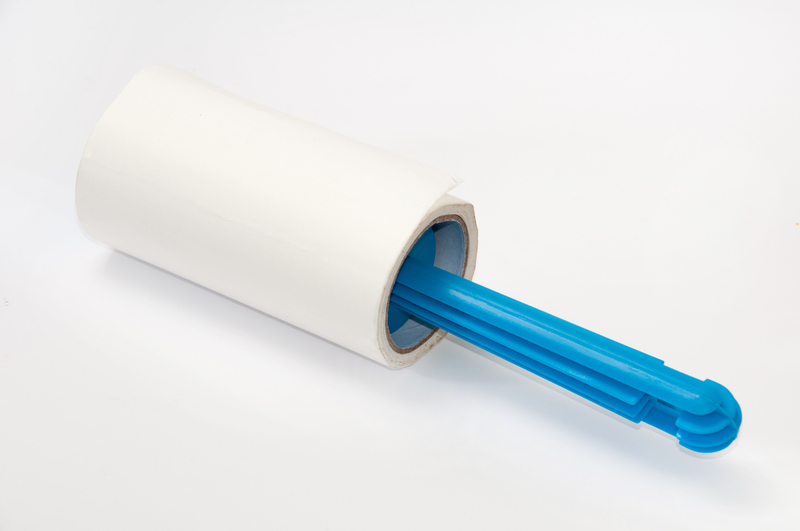
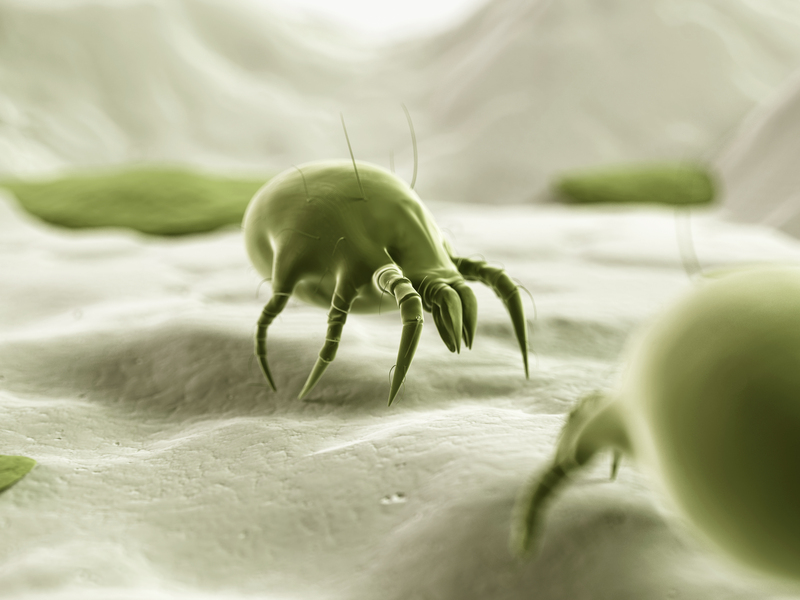
- Fur and Dander: Pet fur can carry natural oils, dirt, and even odors from outside, while dander (dead skin flakes) can also contribute to a musty smell over time.
- Saliva: Dogs and cats often lick themselves or their surroundings, spreading odor-causing bacteria.
- Litter Boxes/Cages: Improperly maintained litter boxes, cages, or bedding are frequent sources of strong pet odors.
- Accidents: Occasional throw up or feces accidents, especially with young, aging, or ill pets, can lead to lingering odors.
Why Are Pet Odors So Persistent?
Pet odors are stubborn because:
- Odor molecules attach themselves to porous surfaces such as carpets, upholstery, and wood.
- Enzymes in organic matter continue breaking down, releasing more odor over time.
- Conventional cleaning sometimes only masks odors instead of neutralizing their source.
How to Neutralize Pet Odors and Ensure Lasting Freshness
Achieving a lasting fresh environment means tackling odors at their root. Let's look at proven, practical strategies every pet guardian can adopt.
1. Utilize Enzyme-Based Cleaners
Enzymatic cleaners are a pet owner's best friend for lasting odor elimination. Unlike regular detergents, these products use beneficial bacteria to break down organic waste (like urine, vomit, and feces) at a molecular level.
- Application Tip: Blot excess moisture before applying the cleaner. Follow the manufacturer's instructions for dwell time to allow enzymes to work fully.
- Best For: Carpets, rugs, furniture, pet bedding, and hard floors affected by accidents.
2. Regular Cleaning Is Key
Routine cleaning goes a long way to neutralize pet odors and maintain fresh air indoors. Develop a schedule and stick to it for different areas:
- Bedding & Toys: Wash pet bedding, blankets, and toys weekly using hot water and pet-safe detergent.
- Litter Boxes: Scoop clumps daily, change litter weekly, and disinfect the actual box monthly.
- Cages & Aquariums: Regularly replace bedding, wash surfaces, and check for trapped waste.
3. Tackle Carpets and Upholstery
Soft furnishings trap odors deep within fibers. To neutralize pet smells:
- Vacuum carpets, rugs, and upholstered furniture at least twice weekly.
- Consider a steam cleaner or professional deep cleaning for stubborn odors.
- Sprinkle baking soda and leave overnight before vacuuming - it naturally absorbs lingering smells.
4. Air Out and Ventilate Your Home
Open windows and allow cross-ventilation regularly. Using air purifiers with HEPA and carbon filters can also significantly reduce airborne pet odors, dander, and allergens. Good ventilation refreshes indoor air and prevents the buildup of musty smells.
5. Address Pet Hygiene
- Regular Grooming: Brush pets outside to remove loose fur and dander. Bathe dogs as recommended for their breed, and use pet-friendly grooming wipes in between baths.
- Oral Care: Bad breath can be a source of pet smell, especially for dogs. Brush your pet's teeth regularly and consider dental chews or add-safe water additives.
- Keep Paws Clean: Wipe down paws after walks to prevent dirt and outdoor odors from entering your home.
Pet Odor Neutralizers and Deodorizers: What Works Best?
Not all odor removers are created equal. Here are the most effective options for neutralizing pet odors for lasting freshness:
- Activated Charcoal or Carbon: These natural substances absorb odors and moisture. Use charcoal bags in closets, near litter boxes, or inside your car.
- Baking Soda: An inexpensive, non-toxic, and highly effective odor absorber. Use in trash cans, under pet bedding, or sprinkle on carpets.
- White Vinegar: Neutralizes ammonia smells, especially in urine spots. Mix a solution (equal parts water and vinegar) and spray on affected areas after testing on a small section.
- Commercial Odor Neutralizers: Choose products labeled "pet-safe" and "non-toxic." Enzyme sprays, natural deodorizers, or air fresheners formulated for homes with pets are widely available.
- DIY Essential Oil Sprays: Use pet-friendly essential oils (like lavender or chamomile) diluted in water for a natural, fresh scent. Always check oil safety for your pet species.
Important: Avoid products with harsh chemicals, artificial fragrances, or essential oils unsafe for pets (e.g., tea tree or eucalyptus for cats). Always read the label to ensure pet safety.
Long-Term Tips for a Fresh, Pet-Friendly Home
To truly ensure lasting freshness by neutralizing persistent pet odors, integrate these best practices into your daily routine:
- Set Up Pet Zones: Designate certain areas in your home for your pet's food, sleep, and play. This makes it easier to monitor and clean up messes rapidly.
- Invest in Washable Materials: Select machine-washable covers, throw rugs, and slipcovers for easy cleaning. Opt for stain- and odor-resistant surfaces when possible.
- Upgrade to Odor-Resistant Litter: If you have cats, try clumping litter or products with odor control, such as those containing baking soda or activated charcoal.
- Use Air Purifiers: As mentioned earlier, HEPA purifiers with activated carbon filters help remove both odors and allergens, making a noticeable difference in air quality.
- Groom and Bathe Pets Regularly: Keeping your pet clean is critical for odor control and their overall well-being.
- Clean Accidents Quickly: The faster you address an accident, the less likely it is to become a long-term odor problem.
Natural Approaches to Lasting Pet Odor Neutralization
The chemicals we use on our pet's environment matter. Many pet owners seek natural ways to neutralize pet odors and keep their homes fresh. Here are a few holistic options:
- Homemade Baking Soda Carpet Freshener: Mix 1 cup baking soda with 20 drops of a safe essential oil (like lavender for dogs) and sprinkle on your carpet. Leave for 30 minutes and vacuum.
- Lemon Water Spray: Combine the juice of two lemons with 1 cup water in a spray bottle. Spritz onto hard surfaces (avoid marble or granite) for a clean citrus scent.
- Sunlight and Fresh Air: Regularly air out bedding, rugs, or cushions outside in sunlight to naturally freshen and reduce odor-causing bacteria.
Common Mistakes That Allow Odors to Linger
Despite good intentions, sometimes pet smells seem impossible to beat. Here are typical missteps to avoid if you want to ensure long-lasting freshness and a pet odor-free home:
- Just Masking with Air Fresheners: Covering up the scent does not address the source. Effective odor control requires neutralization, not just fragrance.
- Incomplete Cleaning: Neglecting to clean under furniture, behind doors, or in less obvious areas can leave hidden odor reservoirs.
- Skipping Veterinary Visits: Persistent or especially foul odors may indicate a health issue (skin infections, dental disease, digestive problems). Regular check-ups help catch and treat issues early.
- Ignoring Pet Training: Inadequate house training or unsupervised pets can lead to repeat accidents that worsen odor problems.
Frequently Asked Questions
How often should I deep-clean my home to neutralize pet odors?
While regular maintenance handles the bulk of pet odors, it's best to deep-clean carpets, upholstery, and hard surfaces once every 1 to 3 months, depending on the type and number of pets. Routine vacuuming and spot cleaning should be weekly or as needed.
Are all enzyme cleaners safe for pets?
Reputable enzymatic cleaners formulated for pet stains are generally non-toxic and safe around animals. Always follow label instructions and keep pets away from freshly treated spots until fully dry.
What if my pet continues to make "mistakes" in the same spot?
Persistent re-soiling could mean old odors weren't fully neutralized. Use a high-quality enzyme cleaner and consider temporarily restricting access to that area. Consult a vet or trainer if the behavior persists.
Conclusion: Enjoy a Fresh, Pet-Friendly Home
Pet ownership should be a joyful experience, not a constant battle with unpleasant odors. By understanding odor sources, using effective odor neutralization methods, and practicing proactive cleaning and pet hygiene, you can enjoy a home that's both welcoming and fresh.
Consistency is key. Incorporate these habits into your cleaning routine for a healthier, odor-free environment - and get back to enjoying the endless love and companionship your pets bring.
Additional Resources
- ASPCA Pet Care Tips
- Humane Society: Home Cleaning for Pet Owners
- EPA Guide to Air Cleaners in Homes