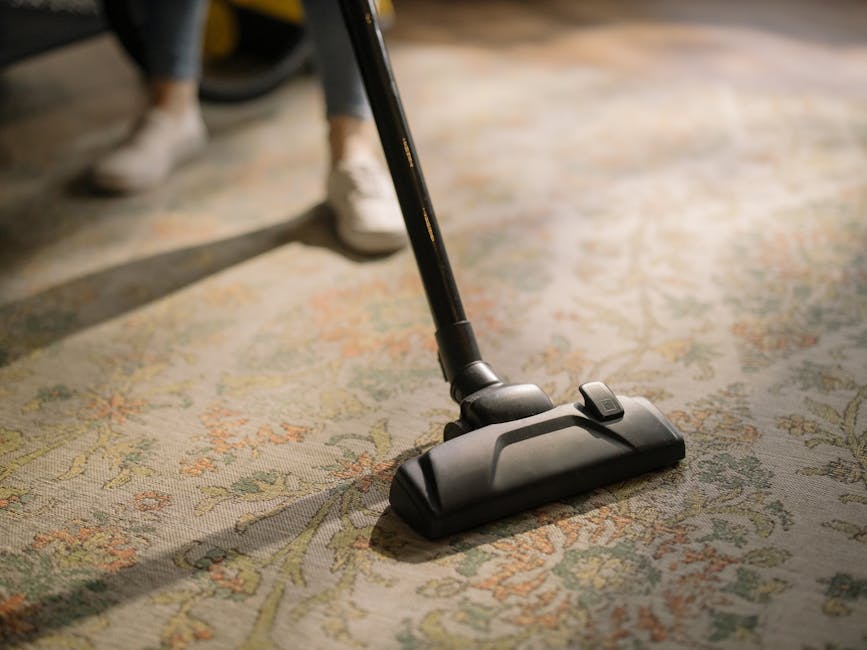
Hampstead Heath Carpet Care Tips for Gospel Oak Homes
If you live near Hampstead Heath, you already know the area has its own rhythm: muddy shoes after a walk, damp coats by the door, a dog that thinks every path is a shortcut, and carpets that seem to collect the evidence. These Hampstead Heath carpet care tips for Gospel Oak homes are designed for exactly that reality. Not the idealised version. The real one.
In Gospel Oak, carpets often face a mix of city dust, garden soil, moisture from busy comings and goings, and the occasional spill that happens five minutes before guests arrive. The good news? With the right routine, you can keep fibres cleaner, fresher, and looking cared for for much longer. This guide covers prevention, cleaning methods, common mistakes, practical tools, and when to bring in professional help.
It is written for homeowners, tenants, landlords, and anyone who wants a more sensible approach to carpet maintenance. A bit of consistency goes a long way. Honestly, carpets tend to reward boring habits.
Why Hampstead Heath carpet care tips for Gospel Oak homes Matters
Carpet care matters more in Gospel Oak than many people first realise. Homes here often sit between green-space living and London living, which is a nice way of saying your flooring may deal with both outdoor grit and indoor wear in the same afternoon. If you walk across Hampstead Heath regularly, that fine grit can get carried straight into hallways, lounges, stairs, and bedrooms.
Carpets trap more than visible dirt. They hold dust, pollen, pet hair, crumbs, and the oily residue that comes from everyday life. If those particles are left to build up, they can flatten the pile, dull the colour, and make the room feel less fresh even when it looks tidy. You know that odd, slightly stale feeling some rooms get? Often, the carpet is part of the story.
Good care also protects the practical value of your home. A well-maintained carpet usually lasts longer, stays more comfortable underfoot, and is easier to clean when an accident happens. If you rent out a property or manage a household with children or pets, that matters even more. Prevention costs less than rescue work. That is just how it goes.
There is also a health-and-comfort angle. Regular vacuuming and prompt stain treatment reduce the amount of debris sitting in the fibres. For allergy-prone households, that can make a noticeable difference to day-to-day comfort, even if it is not a miracle fix. On a damp London evening, with the windows shut and the heating on, a cleaner carpet simply feels better.
For homeowners considering deeper support, the broader carpet cleaning service information can help you understand what a professional clean may involve and why it is often the sensible reset after months of traffic and spillages.
How Hampstead Heath carpet care tips for Gospel Oak homes Works
Think of carpet care as a layered system rather than a single chore. The day-to-day part is about stopping dirt from settling. The weekly part is about removing what has already entered the fibres. The occasional deep-clean part is about lifting embedded grime, refreshing the pile, and dealing with stains that have had a bit too much time to make themselves at home.
In practical terms, the approach works like this:
- reduce what gets tracked in at the front door;
- vacuum consistently before dirt sinks deeper;
- act quickly on spills before they spread;
- use the right cleaning method for the fibre and stain type;
- allow drying time so the carpet does not hold moisture;
- schedule deeper maintenance before the carpet looks obviously tired.
The trick is matching the method to the problem. A light dusting of grit needs one response. A red wine spill needs another. A pet accident needs a different process again, especially if odour has settled in. Using the wrong treatment can set a stain, distort fibres, or leave a patch that attracts more dirt later. Bit annoying, really.
For many Gospel Oak homes, the challenge is that carpets are not just decorative. They are part of busy family life. Children race across them. Dogs nap on them. People bring in shopping bags, wet umbrellas, and the occasional pebble from the Heath. So the system has to be realistic, not precious.
Where deeper sanitising or fibre-safe hot-water extraction is needed, some households look at steam carpet cleaning as a practical method for removing embedded soil and improving overall freshness. It is not always the answer to every problem, but it is a strong option for many carpets when used properly.
Key Benefits and Practical Advantages
When carpet care is done well, the benefits stack up quite quickly. The obvious one is appearance. Clean carpets make a room feel brighter and better looked after. But the practical advantages matter just as much.
- Longer carpet life: less abrasion from grit means fibres keep their structure for longer.
- Better indoor comfort: fresher carpets tend to make rooms feel cleaner and more settled.
- Improved stain response: treated early, spills are much less likely to become permanent marks.
- More predictable maintenance: a routine is easier than dealing with sudden heavy cleaning jobs.
- Stronger property presentation: useful for sale, letting, or simply enjoying your own home more.
There is a quiet financial angle too. Replacing carpet is far more expensive than maintaining it. That seems obvious written down, but many people only realise it once the traffic lanes are permanently flattened and the once-soft landing underfoot has turned rather sad. A steady care routine buys time.
Another benefit is flexibility. Once you understand your carpet's fibre type and its weak points, you can adapt your approach. Wool, synthetic blends, and delicate rugs each need slightly different care. That means fewer mistakes and better results over the long term.
Expert summary: The best carpet care in Gospel Oak homes is not about aggressive cleaning. It is about timely, fibre-aware maintenance that keeps dirt from building up in the first place.
Who This Is For and When It Makes Sense
This guidance is useful for a wide range of Gospel Oak households. If you are wondering whether your home needs a more structured approach, the answer is probably yes if any of the following sound familiar.
- You live close enough to Hampstead Heath that outdoor dirt regularly follows people indoors.
- You have children, pets, or frequent visitors.
- Your hallway or stairs show dark tracks before the rest of the room does.
- You notice odours or a dull look even after vacuuming.
- You are preparing to move out, rent out, or sell a property.
- You have invested in good carpet and want it to stay that way.
These tips are also sensible if you have a mixed-fibre home with carpet in bedrooms and runners on stairs. In those settings, each area ages differently. Hallways can look worn long before a spare room does, which is why one-size-fits-all cleaning usually disappoints.
For commercial spaces or mixed-use properties near Gospel Oak, the approach changes slightly. Traffic is heavier, so maintenance has to be more frequent and more structured. If that applies, the broader advice on commercial carpet cleaning may be useful for thinking about higher-footfall areas and regular upkeep.
And if the carpet issue is really a stain issue, not a general cleanliness issue, the dedicated stain removal page can help you consider how targeted treatment differs from a full-room clean.
Step-by-Step Guidance
Here is the routine I would suggest for most homes near Hampstead Heath and Gospel Oak. It is simple enough to keep up, but detailed enough to do some real good.
1. Start at the entrance
Use mats inside and outside the front door if possible. A mat is not glamorous, but it does a lot of quiet work. Ask people to wipe their feet properly, especially after wet weather or a walk on the Heath. On a rainy Tuesday, that one habit can save a surprising amount of effort later.
2. Vacuum on a proper schedule
For busy households, vacuum high-traffic zones two to three times a week. Slower-used rooms may only need weekly attention. Go slowly enough for the machine to pull soil from the base of the fibres, not just skim the surface. If the vacuum bag or bin is full, performance drops off fast.
3. Deal with spills immediately
Blot, do not rub. Press with a clean absorbent cloth or white paper towel and work from the outside of the spill inward. That keeps the stain from spreading. If the area is coloured, greasy, or scented, stop and choose the correct treatment rather than making it worse with enthusiasm. We have all overdone the scrubbing a bit.
4. Test any cleaner before using it
Even a gentle product can affect dye or pile texture. Try it on a hidden patch first. Wait long enough to see whether the fibres change, fade, or become sticky. A small test saves large regrets.
5. Treat stains according to type
Water-based spills, grease, pet accidents, and dye transfer each need a different response. Coffee is not the same as lipstick, and muddy footprints are not the same as wine. If you identify the stain category first, your odds of success improve quickly.
6. Allow the carpet to dry properly
After any damp cleaning, ventilate the room and avoid walking on the area until it is dry. Damp carpets can attract dirt, smell musty, or leave a compressed patch. That slight wet-wool smell? Never a good sign if it hangs around too long.
7. Refresh the pile
Once the area is dry, gently brush or groom the fibres in the pile direction where suitable. This helps restore a more even finish and makes the carpet look cared for rather than just cleaned.
8. Plan deeper maintenance
Even careful homes need periodic deep cleaning. Think of it as reset work, not a sign that you have failed. Most carpets benefit from deeper attention before soil becomes obvious, because waiting until the room looks dirty usually means the fibres have already taken a beating.
Expert Tips for Better Results
Some of the best carpet care habits are the least dramatic. They are the kind of thing a good housekeeper, landlord, or experienced cleaner does without making a song and dance about it.
- Vacuum edges and corners first: dust gathers there and gets missed if you rush the centre only.
- Use white cloths for stain work: coloured cloths can transfer dye, which is one more problem nobody asked for.
- Lift furniture carefully: dragging a chair across a carpet can damage both the leg and the pile. Not ideal.
- Rotate rugs or furniture positions where possible: this balances wear in sunny rooms and traffic lanes.
- Keep pet paws and shoes cleaner at the door: it is small, but it adds up fast.
- Treat odour separately from visible staining: a stain can vanish while the smell lingers if the source was absorbed underneath.
If you have pets, the difference between a visible mark and a hidden odour source matters a lot. Some accidents reach deeper than the surface layer, and a quick wipe is not enough. For that situation, dedicated pet stain and odour removal support is often more appropriate than generic spot cleaning.
One practical home tip: keep a small carpet care kit in a cupboard. A decent cloth, a soft brush, a non-coloured sponge, and a mild stain treatment are often enough to stop a problem before it gets stubborn. It sounds obvious, but if everything is already to hand, you are far more likely to act quickly.
If your soft furnishings are also carrying dust or spills, the same tidy-up cycle may help elsewhere too. A coordinated clean often works better than tackling just one surface and hoping for the best. For instance, if the room feels grubby despite the carpet being addressed, the issue may partly sit in the upholstery. That is where upholstery cleaning can fit naturally into the wider maintenance plan.
Common Mistakes to Avoid
This is where many people lose time and patience. The mistakes are usually very human, which is fair enough, but they can make a small issue turn into a stubborn one.
- Rubbing stains aggressively. This pushes residue deeper into the pile and can roughen fibres.
- Using too much water. Over-wetting risks a long drying time, wick-back staining, and a damp smell.
- Applying random cleaners without reading the label. Some products are too strong for certain fibres or dyes.
- Ignoring the underlay area. If moisture has soaked through, the surface can look fine while the problem sits below.
- Leaving mud to dry and harden. Once hard, it should be lifted and vacuumed carefully before any wet treatment.
- Waiting too long for deep cleaning. By the time the carpet looks tired, damage may already be embedded.
Another very common mistake is treating every stain the same way. It is tempting. I get it. You want a simple answer. But fibres and stain types are complicated enough that blunt-force cleaning often backfires. If a spill is old, oily, or has already been walked through, the odds of success are better with a more careful approach.
Be especially cautious with wool carpets, loop pile, and delicate rugs. They can look sturdy while still being quite sensitive to moisture, heat, and harsh chemicals.
Tools, Resources and Recommendations
You do not need a cupboard full of specialist gear to maintain a decent carpet. In most Gospel Oak homes, a small, sensible set of tools is enough.
| Tool or product | Best use | Why it helps |
|---|---|---|
| Vacuum with adjustable settings | Routine dust and grit removal | Helps protect delicate fibres and improve pickup on different pile types |
| Microfibre or white cotton cloths | Blotting spills | Reduces dye transfer and gives better absorbency |
| Soft-bristle brush | Dry debris and fibre grooming | Keeps the pile looking more even after cleaning |
| Neutral carpet-safe spot cleaner | Small fresh stains | Useful for quick treatment without being overly aggressive |
| Dehumidified airflow or open window | Drying after damp cleaning | Shortens drying time and lowers musty odour risk |
For larger cleans or stubborn buildup, many households prefer a specialist service rather than buying or renting equipment. That is often the point where professional steam carpet cleaning becomes more practical than another weekend of trial and error.
If you are deciding whether a full-room service is worth it, the pricing and quotes information can help you understand how to approach the next step with a bit more confidence. And if you want to know who you are dealing with, the about us page is usually a good place to start for service background and company approach.
For households that like to make environmentally considerate choices where possible, the company's recycling and sustainability information may also be worth a look. It is useful to know how waste, water use, and cleaning practices are being thought through.
Law, Compliance, Standards, or Best Practice
For domestic carpet care, the main thing is not some dramatic legal rule; it is sensible best practice and awareness of household safety. In the UK, cleaning products should be used according to the manufacturer's instructions, and any strong product should be handled carefully, especially around children, pets, and people with sensitivities.
From a practical perspective, you should also think about slip risk while a carpet is still damp. Even a well-cleaned room can become awkward if people walk through too soon. That is why drying time matters, not just cleanliness.
If you bring someone into your home to do the work, insurance, safety, and clear service terms become relevant. It is reasonable to expect a provider to operate transparently, use appropriate methods, and explain what is included before work starts. That is basic professionalism, really.
For more on service standards and practical trust signals, you can review the pages on insurance and safety, health and safety policy, and terms and conditions. They help set expectations clearly, which is always a good thing in home services.
If you have any concerns about service handling, there is also a complaints procedure page, and for privacy-related details, the privacy policy is the relevant place to check. Small thing, but it builds trust when those pages are easy to find.
Options, Methods, or Comparison Table
Different homes need different carpet care methods. Here is a simple comparison to help you decide what suits your situation best.
| Method | Best for | Pros | Limitations |
|---|---|---|---|
| Regular vacuuming | Every home, every week | Prevents grit buildup, quick and low-cost | Will not remove deep stains or embedded soil |
| Spot cleaning | Fresh spills and minor marks | Fast, targeted, often enough for small accidents | Easy to overdo if you use too much liquid |
| Dry carpet maintenance | Light refresh and surface dust | Gentle on some carpets, short drying time | Not a solution for heavy staining or deep odour |
| Steam or hot-water extraction | Heavier soil and general deep cleaning | Strong at lifting embedded dirt and refreshing fibres | Requires proper drying and careful handling |
| Targeted stain treatment | Specific problem spots | Good when one area needs special attention | Depends on stain age and fibre type |
In plain English: use vacuuming for maintenance, spot cleaning for accidents, and deeper methods when the carpet needs a reset rather than a touch-up. If your stairs are heavily used, or your lounge gets more foot traffic than the rest of the house, the right method may differ by room. That is normal.
Case Study or Real-World Example
Here is a very ordinary example, which is often the most useful kind. A Gospel Oak household with two adults, one child, and a dog had a hallway carpet that always looked darker than the rest of the home. Nothing dramatic. Just that worn, lived-in look. The family vacuumed, but mostly on weekends, and they only treated stains when they became obvious.
After a muddy period near the Heath, the hallway had fine grit trapped in the pile and a faint damp smell near the threshold. The fix was not complicated. They added a proper entrance mat, vacuumed the hallway midweek as well as at the weekend, blotted wet marks immediately instead of leaving them, and arranged a deeper professional clean before the buildup became obvious again.
The biggest change was not just appearance. The carpet felt softer underfoot, the room smelled fresher, and the family stopped noticing the floor every time they came in. That is usually the sign the routine is working: nobody is thinking about the carpet all the time. It just quietly does its job.
This is where many homes around Gospel Oak land. Not in crisis, just in need of a more disciplined routine. And fair enough. Life is busy.
Practical Checklist
Use this checklist as a quick reset for your home carpet routine.
- Place a good mat at entry points.
- Vacuum high-traffic areas at least twice a week if needed.
- Blot spills immediately; do not rub.
- Test any cleaner in a hidden area first.
- Treat pet accidents quickly and separately from general stains.
- Let damp-cleaned areas dry fully before heavy use.
- Groom the pile lightly after drying where suitable.
- Rotate furniture or rugs if certain areas are wearing faster.
- Book a deeper clean before soil is visibly embedded.
- Keep a small stain kit ready so you are not hunting for cloths mid-spill.
If you are comparing service options or planning a professional refresh, a quick look at rug cleaning, sofa cleaning, and mattress cleaning can also help you think more broadly about the rooms and items that collect dust and spills together.
And if you want to contact the team about a job or request practical guidance, the contact us page is the relevant route. Simple enough.
Get a free quote today and see how much you can save.
Conclusion
The best Hampstead Heath carpet care tips for Gospel Oak homes are the ones you can actually keep up. That means regular vacuuming, fast spill response, sensible drying, and knowing when a deeper clean is the better call. Nothing flashy. Just steady care that fits real life.
In a home shaped by London weather, outdoor walks, family traffic, pets, and the everyday rush of getting in and out, carpets need a little attention to stay at their best. Once you build a routine, the work becomes easier and the results become more consistent. The house feels calmer. Fresher. More looked after.
If nothing else, remember this: protect the carpet from grit, treat spills early, and do not wait until the room looks worn out before acting. That one habit alone can change the whole feel of a home.
And when the floor finally looks clean again, it really does make the rest of the room breathe a bit easier.
Frequently Asked Questions
How often should Gospel Oak homes vacuum carpets?
Most busy homes should vacuum high-traffic areas at least two or three times a week, with quieter rooms once a week. If you have pets or lots of outdoor foot traffic from places like Hampstead Heath, more frequent vacuuming is usually worthwhile.
What is the best way to remove muddy footprints from carpet?
Let the mud dry first if it is still wet, then vacuum loose debris gently. After that, blot the area with a damp cloth and a carpet-safe cleaner if needed. Rubbing while the mud is wet usually spreads it and pushes it deeper.
Can I use steam cleaning on every carpet?
No, not every carpet is suitable for the same process. Many synthetic carpets handle deep cleaning well, but delicate fibres or certain rugs may need a gentler approach. Always check fibre type and test carefully first.
How do I stop carpets smelling damp after cleaning?
Use less water, improve airflow, and let the carpet dry fully before walking on it. If a smell lingers, the moisture may have gone deeper than the surface. That is when a more thorough clean or specialist help may be needed.
What should I do first when a drink spills on carpet?
Blot the spill immediately with a clean cloth or paper towel. Work from the outside in, and avoid scrubbing. Once most of the liquid is lifted, you can decide whether a mild spot treatment is enough.
Are pet accidents different from other carpet stains?
Yes. Pet accidents can leave both a visible mark and an odour source deeper in the fibres or underlay. Quick treatment matters, but odour removal often needs a more targeted approach than standard stain cleaning.
When should I book professional carpet cleaning?
If the carpet looks dull despite regular vacuuming, if stains keep returning, or if you are preparing for a move, it is probably time. Many households also book after heavy winter use or following a period of high traffic.
Is professional carpet cleaning worth it for smaller Gospel Oak flats?
Often, yes. Smaller homes still collect a surprising amount of grit and residue, especially near entrances and in shared living spaces. A professional clean can make a compact flat feel fresher without changing anything else.
How can I protect carpet in hallways and stairs?
Use entry mats, vacuum regularly, and be extra quick with spills and muddy shoes. Hallways and stairs wear faster because they get repeated traffic. That is where prevention really pays off.
Can I use the same cleaner on carpets, rugs, and upholstery?
Not always. Different materials respond differently, and some products that are safe on one surface are too harsh for another. It is safer to choose the right treatment for each item, especially with delicate textiles.
What if a stain has already set?
Older stains are harder to remove, but not always impossible. The best next step depends on the stain type, how long it has been there, and the carpet fibre. In stubborn cases, specialist treatment is often the most sensible option.
How do I know whether my carpet needs cleaning or replacement?
If the fibres are still structurally sound but look tired, cleaning may revive them. If the carpet has major wear, damage, or permanent distortion in high-traffic areas, replacement may be the better long-term choice. Sometimes the difference is obvious. Sometimes not quite.