Malden Road upholstery cleaning specialists Gospel Oak
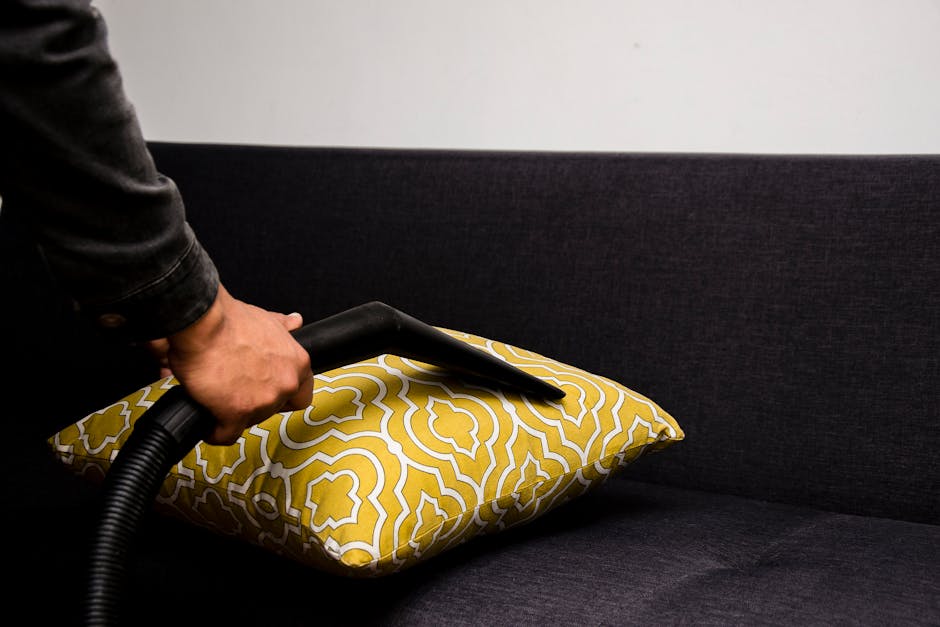
If your sofa is looking a bit tired, your dining chairs have picked up everyday grime, or that armchair has one stubborn stain that keeps catching your eye, you are in the right place. Malden Road upholstery cleaning specialists Gospel Oak is a search people make when they want something more reliable than a quick surface wipe: careful fabric cleaning, proper stain treatment, and a finish that feels fresher without risking the furniture itself. In a busy part of North London, where homes and small businesses see constant use, upholstery tends to age quietly. One day it looks fine; the next, it suddenly doesn't.
This guide explains what professional upholstery cleaning involves, why it matters, how the process works, and what to look for when choosing a local specialist. It also covers mistakes to avoid, the best ways to prepare, and the kind of results you can realistically expect. If you want practical answers rather than vague promises, let's get into it.
Why Malden Road upholstery cleaning specialists Gospel Oak matters
Upholstery is one of those things you stop noticing until it starts looking dull. Then the coffee ring, pet mark, or patch of ground-in dust becomes impossible to ignore. In Gospel Oak, that matters even more because furniture is often doing heavy-duty work: family seating, guest seating, home office seating, the chair by the window that catches every bit of city dust. It all adds up.
Professional upholstery cleaning is not just about appearance. It supports fabric care, hygiene, and comfort. Everyday use pushes body oils, dust, crumbs, pollen, and airborne particles into the fibres. If you have pets or children, the load is even greater. That is not a criticism, by the way. It is just life. A good cleaner understands that real homes are lived in, not showroom-perfect.
Another reason this service matters is material sensitivity. A cotton blend, a wool mix, a synthetic fabric, and a delicate velvet all respond differently. The wrong cleaner, the wrong moisture level, or an aggressive chemical can leave water marks, shrinkage, or a rough texture. A specialist near Malden Road should know how to assess the fabric before touching it with anything wet. That first look is not a formality. It is the job.
For anyone comparing providers, trust also matters. A capable local team should be able to explain their process clearly, talk honestly about limitations, and point you to useful service information such as professional upholstery cleaning support, plus related care options like sofa cleaning and targeted stain removal. Clear guidance usually means better results. Simple as that.
Practical takeaway: upholstery cleaning matters because it protects fabric, improves everyday comfort, and helps you avoid the expensive mistake of replacing furniture earlier than necessary.
How Malden Road upholstery cleaning specialists Gospel Oak works
Most good upholstery cleaning jobs follow a careful sequence, even if the exact methods differ slightly from one fabric to another. The process should feel measured, not rushed. If someone turns up and immediately starts spraying everything, that is not especially reassuring.
First comes inspection. The cleaner identifies the fabric type, checks the manufacturer's care guidance if available, and looks for stains, wear, fading, loose stitching, or pre-existing damage. This is where the conversation matters. A good specialist will tell you what can be improved, what might lighten, and what is unlikely to vanish completely. That honesty is worth a lot.
Next is preparation. Dry debris is removed using suitable vacuuming and brush attachments, because you do not want grit dragged deeper into the pile. Then a pre-treatment may be applied to loosen soil and break down specific spots. Protein-based marks, drink spills, pet stains, and oily residue often need different approaches. There is no magic spray for everything, despite what some labels would like you to believe.
The main cleaning stage depends on the textile. Some fabrics are suited to low-moisture extraction or hot water extraction, while others need more delicate cleaning with carefully controlled dampness. Steam-based approaches can be useful in some cases, but "steam" is not a universal fix. The key is correct temperature, chemistry, and technique for the material in front of you.
After the cleaning pass, technicians usually inspect the results, treat any remaining spots, and manage drying. Drying is a bigger deal than many people think. Good air movement helps reduce lingering dampness and the chance of odour. In a flat with limited ventilation, this matters even more, especially during cooler months when windows stay shut and everything seems to take ages to dry. We have all had that one room that feels just a little too humid for comfort.
For broader fabric care, some customers also pair upholstery work with curtain cleaning or rug cleaning, especially if the room has absorbed dust or smells over time. It can make the whole space feel newly reset, not just one piece of furniture.
Key benefits and practical advantages
There are obvious benefits, and then there are the quiet ones you only notice after a few days. Fresh-looking fabric is nice. Softer seating feel, less stale odour, and a room that simply seems cleaner? That is the bit people usually remember.
- Improved appearance: professional cleaning lifts general dullness, drink marks, and everyday grime.
- Better hygiene: it helps reduce embedded dust and residue trapped in fabric fibres.
- Odour reduction: useful for pet households, busy family rooms, or pieces near kitchens and open-plan living spaces.
- Fabric care: the right method can preserve furniture for longer than repeated DIY spot cleaning.
- Comfort: upholstery feels fresher to sit on and more pleasant to use day to day.
- Presentation: important for landlords, tenants, home sellers, and anyone receiving guests or clients.
There is also a financial angle. Reupholstering or replacing furniture is costly, and not every item is worth that kind of spend. If the frame is sound and the fabric is salvageable, cleaning is often the sensible middle ground. Not glamorous, perhaps. But sensible.
One more benefit people overlook: confidence. When your sofa or chairs look respectable, the rest of the room feels less cluttered and more looked after. Small thing, big impact.
Who this is for and when it makes sense
Upholstery cleaning is not just for "really dirty" furniture. In practice, it suits a wide range of situations:
- Households with children, where spills and sticky hands are part of the furniture lifecycle.
- Pet owners dealing with fur, odour, or the occasional accident.
- Tenants preparing for end-of-tenancy expectations.
- Landlords refreshing a property between occupiers.
- Homeowners who want to maintain a nicer living space without replacing sofas too early.
- Small offices, reception areas, and waiting rooms that need to look tidy and professional.
- Anyone with allergies or dust sensitivity who wants a cleaner seating environment, while keeping expectations realistic.
It makes sense to book a specialist when you notice visible dullness, an odour that lingers after vacuuming, or stains that keep reappearing after spot cleaning. It also makes sense after seasonal deep cleans, before visitors arrive, or when you are just trying to get ahead of wear rather than reacting to it.
To be fair, some people wait until a sofa looks almost beyond help. That is usually not ideal. Cleaning is generally easier, and often more effective, before soils build up for months on end. Early action nearly always gives you more options.
Step-by-step guidance
If you are booking Malden Road upholstery cleaning specialists Gospel Oak for the first time, here is a sensible way to think about the process from start to finish.
- Identify the item and fabric type. Check labels, manufacturer notes, or any care instructions you still have. If you cannot find them, say so upfront.
- Describe the problem clearly. Mention stains, smells, pet issues, food spills, sun fading, or general wear. The more the cleaner knows, the better the treatment plan.
- Ask how the fabric will be tested. A good cleaner should spot-test in an inconspicuous area first, especially on delicate or colour-sensitive materials.
- Prepare the room. Move small items, clear access around the furniture, and think about ventilation. A little preparation saves time on the day.
- Allow for a proper inspection. The technician should assess the piece before cleaning starts, not after the first pass.
- Agree the method. Low-moisture, extraction, stain-focused, or fabric-safe cleaning should be chosen for the item, not guessed.
- Let the cleaner finish the detail work. Edges, armrests, and seat fronts usually need extra attention because they attract the most contact.
- Respect the drying period. Avoid sitting on the furniture too soon. It is annoying, yes, but worth it.
- Check the result in daylight. Natural light often shows what indoor lighting hides. If something needs another look, mention it promptly.
That last point is useful. Afternoon light by a window or near a hallway often reveals results more honestly than a lamp at night. Tiny detail, but it helps.
Expert tips for better results
Here is the bit that separates a decent clean from a better one.
1. Don't hide the stain history. If you have already used supermarket spray, washing-up liquid, or a random "miracle" formula, say so. Some residues can interfere with professional cleaning chemistry.
2. Point out fabric weak spots. Frayed seams, loose buttons, fading, and worn arms are all useful to know about before cleaning begins.
3. Ask about drying expectations. Drying time can vary depending on fabric, airflow, and cleaning method. If someone promises instant use, be a little cautious.
4. Keep pets and children away until the furniture is ready. Not because anything dramatic is happening, just because damp fabric and little footprints are a bad combination.
5. Pair upholstery cleaning with a wider room refresh. If the room also has tired flooring or a musty feel, combining services can make the result feel more complete. Some customers choose steam carpet cleaning alongside upholstery work for a more rounded clean.
6. Think prevention, not just cure. Throws, washable covers, regular vacuuming, and quick blotting of spills all help. The boring advice is often the best advice. Annoying, but true.
7. Ask what happens if a stain does not fully lift. Good specialists should explain the difference between improvement and total removal. That honesty is part of professional service.
Common mistakes to avoid
Upholstery can be surprisingly unforgiving when treated carelessly. A few common mistakes come up again and again.
- Using too much water: oversaturation can leave marks, slow drying, and sometimes odour.
- Scrubbing hard: this often pushes the stain deeper or damages the pile.
- Ignoring the care label: fabric guidance exists for a reason, even if the label looks a bit cryptic.
- Assuming one product works on everything: it does not. Different stains need different handling.
- Cleaning only the stain and not the surrounding area: this can leave tide marks or an uneven finish.
- Not testing colourfastness: especially risky with bold dyes or older upholstery.
- Letting moisture sit too long: poor drying is a common cause of lingering smell.
A small but important point: over-cleaning can also be a problem. If you keep attacking the same patch with one product after another, the fabric can become more damaged than dirty. Sometimes restraint is the clever move.
Tools, resources and recommendations
You do not need specialist equipment at home to make a professional clean more effective, but a few sensible tools and habits help.
- Vacuum cleaner with upholstery attachment: good for removing loose dust before and after cleaning.
- White absorbent cloths: ideal for blotting spills without transferring dye.
- Soft brush: useful for lifting pile gently, if the fabric allows it.
- Fans or good airflow: helpful for drying, especially in rooms with limited cross-ventilation.
- Notebook or phone note: keep track of what was spilled, when it happened, and any products already used.
On the service side, it is useful to understand the wider fabric-cleaning picture too. If a household or workplace needs more than one item refreshed, related services such as mattress cleaning and pet stain and odour removal may make sense. For commercial settings, commercial carpet cleaning can be relevant where seating areas and flooring are both under constant pressure.
If you are comparing providers, also look at practical service information such as pricing and quotes, insurance and safety, and the company's general approach in about us. Those pages are not just admin. They tell you whether the business is organised, transparent, and worth inviting into your home.
Law, compliance, standards, and best practice
For upholstery cleaning, the most relevant standards are often about safe working practice rather than anything flashy. In the UK, a professional cleaner should be mindful of general health and safety expectations, careful chemical handling, electrical safety around equipment, and sensible care for customer property. You do not need a lecture on legislation, but you do want to know the work is being done responsibly.
Best practice usually includes:
- testing fabric before applying cleaning solution;
- using the least aggressive method that can reasonably achieve the result;
- avoiding excessive moisture;
- explaining limitations clearly;
- handling stains and odours cautiously, especially around delicate fibres;
- protecting surrounding floors and furnishings where needed.
It is also reasonable to expect a straightforward complaints route, secure payment handling, and clear terms. Those things matter because they show the service is set up properly, not just casually assembled. If you ever need to check the small print, pages like terms and conditions, payment and security, and the company's complaints procedure are the sort of pages that should exist and should make sense.
For customers who care about environmental practice, it is also fair to ask how waste water, cleaning materials, and disposal are handled. A sensible provider should be able to speak plainly about their recycling and sustainability approach without making wild claims.
Options, methods, and comparison table
Different upholstery situations call for different approaches. The right method depends on fabric, soil level, and how quickly the item needs to be usable again. Here is a simple comparison to help you think it through.
| Method | Best for | Advantages | Watch-outs |
|---|---|---|---|
| Low-moisture cleaning | Sensitive fabrics, lighter soil, quicker turnaround | Fast drying, lower risk of overwetting | May be less effective on deep-set grime |
| Hot water extraction | Durable fabrics, heavier soiling, general refresh | Strong soil removal, good for embedded residue | Needs careful drying and fabric suitability checks |
| Targeted stain treatment | Spots, marks, isolated problem areas | Focused action on specific stains | Not always enough for overall dullness |
| Odour-focused treatment | Pet odours, stale smell, smoke exposure | Improves freshness and comfort | Source of odour may need separate attention |
Sometimes the best result comes from combining methods. For example, a sofa might need a full general clean plus separate treatment around the arm where drinks are usually put down. That little armrest area tells on people, doesn't it?
Case study or real-world example
Here is a realistic local scenario. A family in Gospel Oak has a three-seat fabric sofa in a front room that sees constant use. It has light shading across the seating area, a faint odour from everyday living, and one darker patch where a spilt drink was blotted but never properly treated. Nothing dramatic. Just normal life doing its thing.
A specialist visits, checks the fabric type, and explains that the sofa is suitable for a controlled cleaning method rather than anything harsh. The technician spot-tests near the back edge, treats the stain separately, and then cleans the main seating areas evenly so the finish does not look patchy. A fan is recommended for airflow, and the family avoids using the sofa for the rest of the day.
The important part is not that the sofa becomes magically perfect. It is that the fabric looks brighter, the odour reduces, and the room feels fresher without anyone having to replace the furniture. That is the kind of sensible win most people actually want.
In a small flat or terraced home, that can make a real difference. You sit down in the evening, the room smells cleaner, and suddenly everything feels more sorted. Not glamorous. Just better.
Practical checklist
Before your upholstery cleaning appointment, run through this checklist. It saves time and helps the cleaner do a better job.
- Identify which items need cleaning: sofa, chairs, footstool, headboard, or other upholstered furniture.
- Note the main issue: stains, odour, general dullness, pet hair, or all of the above.
- Find any care labels or manufacturer instructions if available.
- Move breakables and small items away from the cleaning area.
- Vacuum around the furniture so access is easier.
- Tell the cleaner about previous DIY products used on stains.
- Check whether pets need to be kept in another room during the visit.
- Ask how long drying is likely to take.
- Confirm how you should care for the upholstery afterwards.
- Inspect the result once dry, ideally in good daylight.
If you want to keep the furniture looking better for longer, vacuum it lightly on a regular basis, deal with spills quickly by blotting rather than rubbing, and avoid sitting on damp fabric before it is ready. That last one sounds obvious, but people forget when they are in a hurry.
Conclusion
Choosing Malden Road upholstery cleaning specialists Gospel Oak is really about choosing care over guesswork. Good upholstery cleaning protects the fabrics you already own, improves the feel of your home or business space, and saves you from replacing pieces that still have plenty of life left in them. The right provider will inspect properly, explain the method clearly, and treat your furniture with the kind of attention you would hope for but do not always get.
If you are comparing options, focus on fabric knowledge, transparency, drying guidance, and trust. Those details matter more than flashy promises. And if you have a sofa that has been quietly bothering you for months, honestly, there is no need to keep living with it.
Get a free quote today and see how much you can save.
Fresh upholstery changes a room more than people expect. Sometimes the smallest improvements make the home feel like itself again.
Frequently Asked Questions
What does an upholstery cleaning specialist actually do?
An upholstery cleaning specialist inspects the fabric, identifies the best cleaning method, removes dirt and spots, and manages drying carefully so the furniture is cleaned without unnecessary risk.
How often should upholstery be professionally cleaned?
It depends on use. Busy family homes, pet households, and high-traffic seating usually benefit from more regular cleaning than lightly used furniture. Many people book when they notice visible dullness, odour, or staining.
Can all upholstery fabrics be cleaned the same way?
No. Different fabrics react differently to moisture, temperature, and cleaning chemistry. A specialist should check the fabric first and choose the least aggressive method that suits the material.
Will upholstery cleaning remove every stain?
Not always. Some marks improve dramatically, some disappear, and some only lighten. Age of the stain, previous DIY treatment, and fabric type all affect the result.
How long does upholstery take to dry?
Drying time varies by fabric, method, room airflow, and room temperature. A professional should give you a realistic expectation rather than a one-size-fits-all promise.
Is upholstery cleaning safe for homes with pets and children?
It can be, provided the right products and methods are used and the furniture is allowed to dry fully before normal use resumes. It is sensible to keep pets and children away during the work.
What should I do before the cleaner arrives?
Clear access to the furniture, vacuum loose debris if you can, note any stains or smells, and mention any products already used on the fabric. A little preparation goes a long way.
Does upholstery cleaning help with smells?
Yes, especially when the smell is caused by everyday buildup, spills, or pet-related residue. If the odour source has soaked deep into the material, a specialist may recommend additional treatment.
Is steam always the best option for upholstery?
No. Steam can be useful in some situations, but it is not suitable for every fabric. The best method depends on the upholstery type and its condition.
How do I know if a company is trustworthy?
Look for clear explanations, sensible care guidance, transparent service information, and proper trust pages such as about us, insurance and safety, pricing and quotes, and terms and conditions. Clear answers usually beat vague confidence.
Can upholstery cleaning be combined with other services?
Yes. Many people combine it with sofa cleaning, rug cleaning, curtain cleaning, carpet cleaning, or pet stain and odour removal to freshen a whole room more effectively.
What if my upholstery is delicate or old?
That is exactly when a cautious specialist matters most. Older or delicate items need careful testing, minimal moisture, and honest advice about what can realistically be improved without causing damage.